In Caring for an Amputated Part It Is Important to
Wrap up the separated part after washing in a clean cloth before transporting and remove all the moisture. Dont reposition the person if you.
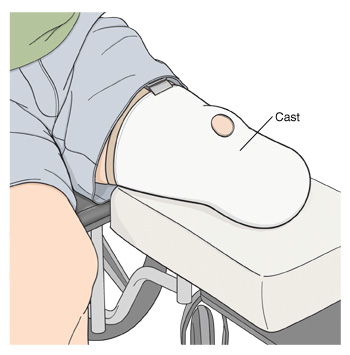
Taking Care Of Your Limb After Amputation Saint Luke S Health System
Provide pain management and.

. Wrap or bag the amputated part in a plastic bag and keep it cool by cold packs. Place the part in. If cold water is not available keep the part away from heat as much as possible.
Use a sterile bandage or dressing or clean cloth to cover the wound and keep the limb in place. Wrap the part in sterile gauze place it in a plastic bag and keep it cool avoiding freezing. With the significant impact of amputation it is important that minimum standards of care are.
The amputated part has no blood flowing through it which makes it much more susceptible to frost bite and tissue damage. While some other surgical procedures return the patient to health and wellness relatively quickly the recovery period after a major amputation can take a long time and require. If the amputation is partial.
Place the amputated body part in a watertight plastic bag. B the body part should be kept at room temperature. C the part should be tightly wrapped in a dry dressing.
Put it in a bucket of ice and rush it to the hospital. A forefoot amputation can sometimes be helpful in patients with more than one toe involved by gangrene. Gently rinse off dirt and debris with clean water if possible.
Do not immerse the amputated part directly in water or saline. Save it for the medical team or take it to the hospital. You are caring for a 15-year-old female who has sustained a laceration to her lower arm.
Its also important to keep it dry. Recover the amputated part if possible. DO NOT use dry ice as this will cause frostbite and injury to the part.
Have the person rest comfortably 5. For further guidelines see the lesson on how to stop bleeding. In addition do not let the part come in direct contact with ice or it may freeze.
Support psychological and physiological adjustment alleviate pain prevent complications promote mobility and functional abilities provide information about surgical procedureprognosis and treatment needs. When skin becomes water logged and gets pruney this is actually the onset of that tissue breaking down and will make reattachment more difficult. The amputated body part has the greatest chance of being re-attached by a specialist doctor if it is handled correctly as follows.
C the part should be tightly wrapped in a dry dressing. The time the body part was amputated and the techniques used to preserve it are especially important. Losing a limb because of accidental trauma or disease has an enormous impact on a persons body emotions relationships vocation and way of life.
This will slow the bleeding until the person receives medical care. Care for a partially amputated body part. Remove dirt or debris from the amputated part and residual limb which is the part of the body that remains after an amputation.
Wrap or cover the injured area with a sterile dressing or clean cloth. Put the separated part in a. Wrap the amputated part in a dry sterile gauze or clean cloth.
Put it in a sealed plastic bag and put the sealed bag in a bag of ice water and keep it with the person. You dont want to cut off the blood flow to the partially amputated part so pressure needs to be lightjust enough to slow blood loss. You want to keep it cold not frozen.
D applying ice to the body part will keep the cells viable. Apply pressure if the injured area is bleeding. Call 911 or your local emergency number.
The plastic bag can then be placed in a container of iced or cold water. Marlis Gonzalez-Fernandez MD PhD. In caring for an amputated part it is important to.
Care for an Amputation To care for an amputation. 40 or part of the foot 25 amputation at the transtibial 13 or transfemoral 8 level are also common1 More than 23 of these surgical procedures occur in people aged over 60 years. While half of all amputations occur in people with.
Monitor the person for shock and care for shock. B the body part should be kept at room temperature. How should you care for an amputated part.
DO NOT allow ice or water to come into direct. Note any first-aid measures he used before seeking help if applicable. Nursing care planning for patients who had an amputation includes.
In caring for an amputated part it is important to. Ordinary items you can use to help sterile gauze or any clean dry material. Caring for the amputated body part.
Wrap the part in sterile gauze and keep it cool. A early notification of the hospital is important. Recover the amputated body part if possible and transport it to the hospital with the injured person.
Place the part in ice water. A ray amputation is a particular form of minor amputation where a toe and part of the corresponding metatarsal bone is removed as shown in the diagram below left. Asked Dec 1 2021 in Health Professions by AxeViro.
When caring for an amputated body part. Wash your hands with soap and water if possible. Surgical Care of Partial Hand Amputations.
Take care of the bodily part that has been entirely severed. DO NOT put the severed part directly on ice. When caring for an amputated body part.
Advise the person to keep the limb as still as possible preferably in a position of normal alignment to protect it from further amputation. Wrap the part in sterile gauze and pack it in ice. If amputation is complete.
This will help the separated part from getting exposed to the external factors and getting infected until it reaches the hospital. Apply direct pressure to the wound to stop bleeding. Minor amputations are amputations where only a toe or part of the foot is removed.
Communicate your assessment findings emergency care interventions and his response. A early notification of the hospital is important. Wrap it in a cloth and.
Wrap the part in sterile gauze and keep it cool. Put the amputated part in a plastic bag. Wrap the part in sterile gauze and pack it in ice.
Cooling the severed part allows reattachment to be done at a later time. In caring for an amputated part it is important to. Have the injured person lie down if possible and elevate the injured area.
As functioning hands are important to just about everyone surgeons who deal with partially amputated hands must try to restore some function without the complications of neuroma-formation contractures of the remaining hand or infection of the wound created by the amputation. Elevate the injured area. You are performing a secondary assessment on your 19-year-old trauma patient.
Wrap the amputated part in a dry sterile gauze or clean cloth. D applying ice to the body part will keep the cells viable. Care for the amputated part.

Post Operative Care For Amputations Excel Prosthetics
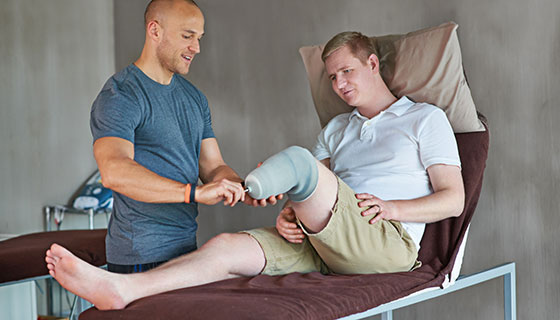
Amputation Johns Hopkins Medicine
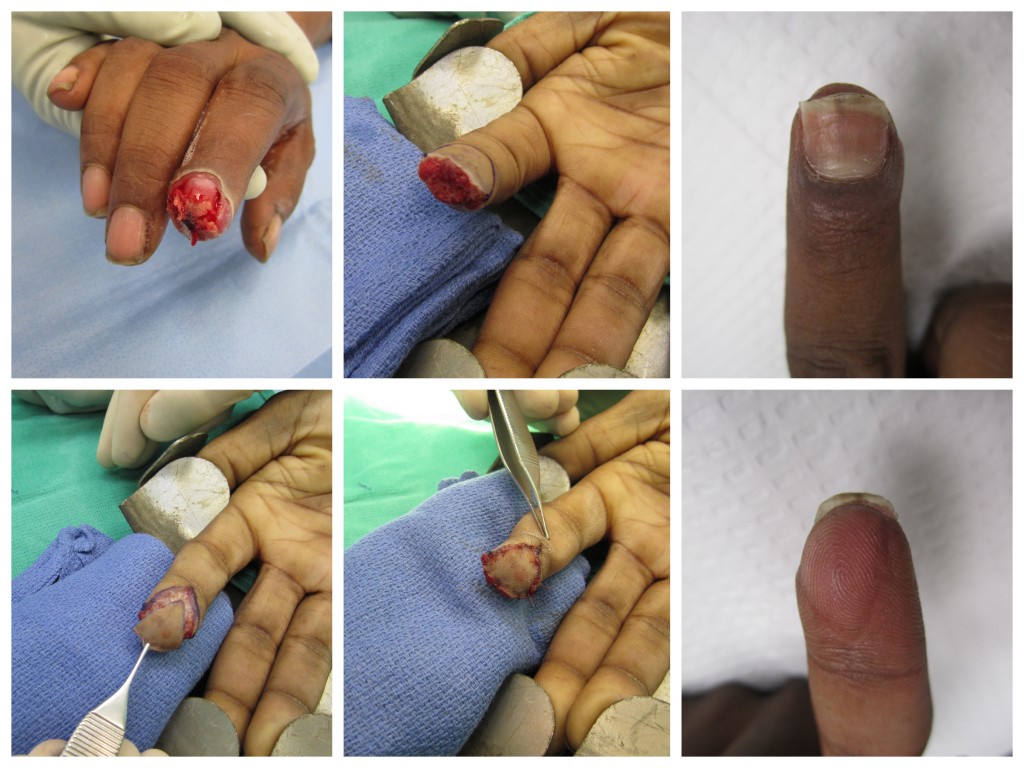
Finger Amputation
What To Expect After Amputation Carrus Health
Comments
Post a Comment